

DEEKSHA

Blog Details

  • Home
  • Environment
  • Painting Tree Trunks: A Blend of Tradition, Science, and Sustainability

Painting Tree Trunks: A Blend of Tradition, Science, and Sustainability

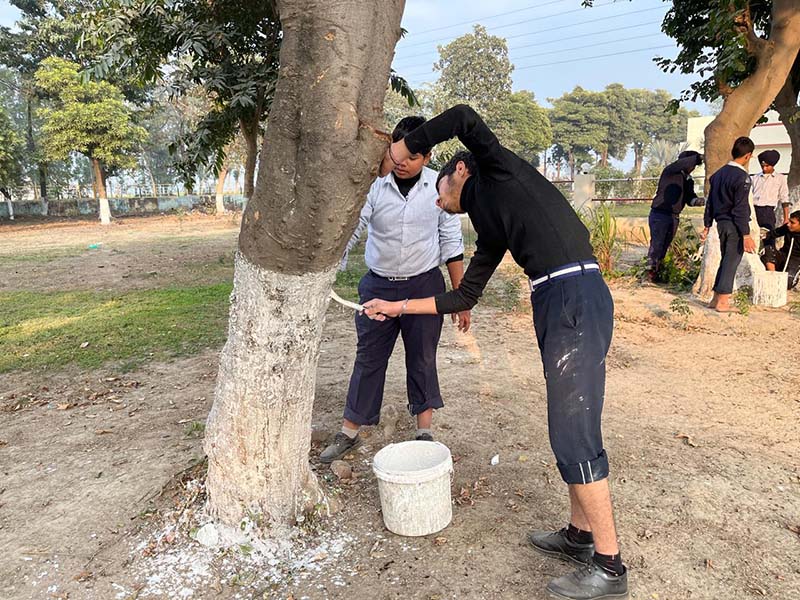
The sight of painted tree trunks is common in orchards, parks, and even along roadsides. While it may seem like a mere aesthetic choice, painting tree trunks is a practice deeply rooted in science and sustainability. It serves various protective and practical purposes, ensuring the health and longevity of trees. Let’s explore the reasons behind this fascinating tradition and why it remains relevant today.

The Science Behind Painting Tree Trunks

  • Protection from Pests Tree trunks are vulnerable to insects and pests, which can burrow into the bark and cause significant damage. Painting the trunks with a lime-based solution acts as a physical barrier, deterring pests like ants, termites, and beetles. This is especially crucial for young trees with tender bark.
  • Preventing Sunburn Just like human skin, tree bark can suffer from overexposure to the sun. In regions with intense sunlight, the outer layer of the bark can crack or peel, leading to “sunscald.” Painting the trunks white helps reflect sunlight, preventing overheating and protecting the tree’s vascular system.
  • Guarding Against Frost Damage In areas with fluctuating temperatures, trees can experience frost cracks caused by rapid freezing and thawing. A coat of white paint helps regulate the temperature of the trunk, minimizing these fluctuations and reducing the risk of frost damage.
  • Disease Prevention The lime used in tree trunk paint has mild antifungal properties, which can inhibit the growth of certain pathogens and fungi. This reduces the chances of disease affecting the tree, promoting overall health.

A Practice Rooted in Tradition

The tradition of painting tree trunks has been passed down for generations, particularly in agricultural and horticultural communities. Farmers and gardeners recognize that this simple yet effective method can significantly improve tree survival rates and yields.

Historically, whitewashing tree trunks was a cost-effective solution to protect them from environmental stressors and pests. Over time, this practice evolved to include more eco-friendly paints that are safe for both the tree and the environment.

Environmental and Aesthetic Benefits

  • Eco-Friendly Maintenance: Using natural, non-toxic paints ensures that the practice is environmentally sustainable, causing no harm to the surrounding ecosystem.
  • Urban Beautification: Painted trunks can enhance the visual appeal of parks, gardens, and campuses, creating a harmonious blend of nature and human care.
  • Symbol of Stewardship: Painting tree trunks symbolizes human intervention to protect and nurture the environment, serving as a reminder of our responsibility toward nature.

Educational and Cultural Significance

In recent times, educational Institutions, communities, and organizations have adopted this tradition as a way to educate the younger generation about the importance of tree care and environmental conservation. Activities like painting tree trunks not only protect the trees but also foster a sense of environmental stewardship among participants.

A Call to Action

While painting tree trunks is a valuable practice, it’s equally important to do it correctly. The paint should be eco-friendly and diluted to ensure that it doesn’t harm the tree or inhibit its natural growth. Additionally, the practice should be seen as part of a broader effort to care for and preserve the environment.

The next time you see a painted tree trunk, pause for a moment to appreciate the thoughtfulness and science behind it. It’s more than just a splash of colour—it’s a blend of tradition, care, and sustainability. By blending tradition with innovation, we can ensure that even simple actions, like painting tree trunks, can create ripples of change.

Let’s continue this legacy of tree care and extend it to our broader commitment to the environment. After all, every small effort, like painting a tree trunk, contributes to a healthier and greener planet.

(Ms Harmeet Kaur, the author of this blog, is working as TGT Punjabi at PM Shri School Jawahar Navodaya Vidyalaya, Kapurthala, Punjab. She is an environmentalist and a sustainability supporter.)

Comments (4)

  • Lovedeep kaur

    January 15, 2025 - 8:05 am

    Great thoughts always result into great actions!

  • V.K.Raghuvanshi

    January 15, 2025 - 2:36 pm

    Excellent madam. Your thoughts and creativity motivate new generation and society.

  • QAMAR SULTAN

    January 15, 2025 - 3:54 pm

    Wonderful Harmeet madam !
    Never thought that such a trivial activity may yield great results.
    Thank you for this useful information.

  • ANAND TEWARI

    January 16, 2025 - 8:05 am

    Wonderful thought …development with sustainability is only the solution

Leave A Comment

 A few of the herbal plants are listed below along with their uses for your reference
#Scientific NameCommon NameMedicinal ValuesPart(s) Used
1Abrus PrecatoriusRattiSwellings, Purgative, Emetic, AphrodiasicLeaves, Seeds
2Acorus CalamusVachCNS Stimulant, Carminative, TonicRhizome
3Withania SomniferaAshgandhGeneral Weakness, Diuretic, Antibiotic, AntibacterialRoots, Leaves
4Adhatoda VasicaVasakaExpectorant, BronchitisLeaves
5Aloe VeraGhrit KumariPurgative, CosmeticsLeaves
6Alpinia GalangaBarakulanjanRheumatism, Stomach DisordersRhizome
7Althea OfficinalisGulkheraDemulcent, EmollientRoots
8Ammi MajusAtri LalLeucodermaFruits
9Andrographis, PaniculataKalmeghTonic, Fever, Worms, DysenteryStem, Leaves, Inflorescence
10Anethum GraveolensSoyaCondiment, CarminativeFruits
11Artimesia AnuaSweet Worm WoodMalaria, FeversAerial Part
12Asparagus, RacemosusShatawariDemulcent, Diuretic, AphrodisiacRoots
13Asparagus, AdscendensSafed MusliDemulcent, DiarrhoeaRoots
14Bacopa MonnieraBrahmiDiuretic, Nerve Tonic, Cardiotonic, InsanityWhole Plant
15Balanitis RoxburghiiHingotSteriod Harmones, Oral ContraceptivesSeeds, Oil
16Barleria, PrionitesKala BansaDiaphoretic, Diuretic, FebrifugeBark Juice, Leaves, Roots
17Caesalpinia, BonducellaKaranjwaTonic, AntipyreticSeeds
18Cannabis SativaBhangSedative, Anti-Spasmodic, Analgestic, StomachicLeaves, Flowers
19Carissa CarandasKaraundaPickles, JamsFruits
20Catharanthus RoseusSada BaharAnti Cancer ActivitiesRoots, Leaves
21Cassia AngustifloiaSennaLaxative, Cathartic, PurgativeLeaves,Fruits
22Centella AsiaticaMandukaparniDiuretic, Tonic, CNS 8 Skin DiseasesWhole Plant
23Cichoriurn IntybusKasniFever, Vomiting, Diarrhoea, Spleen Enlargement, Stomachic, DiureticRoots
24Cissus, QuadrangularisHadjorJoining Of Fractured BoneStem
25Clerodendron PhlomidisArniGunela Worms, Gonorrhea, Demulcent, Nervous DisordersLeaves, Roots, Root Bark
26Clerodendrun ViscosumUshnaTumors, Skin Disease, Hernia, Fever, MalariaLeaves, Roots
27Clitorea TernateaShankpushpiPurgative, Cathartic, DiureticSeeds, Roots
28Coleus FroskohliiPatharchurHypertension, Asth ma, Vasodla lation, Cardiac ProblemsTubers
29Cymbopogon CitratusLemon GrassCold, CosmeticsLeaf Oil
30Datura StramoniumDaturaExpectorant, Demulcent, Asthma, CNS StimulantLeaves, Seeds
31Dioscorea BulbiferaZimikandAsthama, Bronchitis, Dyspepsia, Piles, Tumours DiosgeninBulbs
32Dioscorea FloribundaRataluSteroid Hormone DlosqenlnBulbs
33Dracaena SanderinaLucky BambooAntimalarial, Antibacterial, AntifungalPlant Extract
34Emblica OfficinalisAonlaDiuretic, Carminative, Cooling, AstringentFruits, Flowers, Bark
35Glycirrhiza GlabraMulhetiTonic, Laxative, Gastric UlcersRoots
36Glycosmis PentaphyllaBan-NimbuFever, Liver Complaints etc.Fruits
37Gymnema SylvestreGudmarJaundiceLeaves
38Jatropa CurcasJangli ArandPurgative, BiofuelSeeds
39Lepidium SativumHaloonStimulant, Diuretic, Tonic, AphrodiasicLeaves, Seeds
40Linum UsitatissimumAlsiGonorrhoea, Nervine & Cardiac Tonic, Diuretic, EmollientLeaves, Flowers, Seeds
41Majorana HortensisMurwaSprains Of Paralytic Limbs, Carminative, StimulantLeaves, Flower Heads, Oil
42Mentha ArvensisPudinaCarminative, Refrigerant, StimulantLeaves
43Mentha PiperitaVilaiti PudinaCarminative, Vomiting, Headache, Rheumatic Pains, Cough DropsLeaves
44Mentha AquaticaTivraHeadache, CholeraVolatile Oil
45Matricaria ChamomillaBabunaTonic, Gastric StimulantSeeds
46Moringa OleiferaSonjnaGout, Acute RheumatismSeed Oil
47Neriurn IndicumKanerRingworm, Cardiac StimulantRoots, Dried Leaves
48Nyctanthes ArbortristisHarsingharLaxative, Diuretic, Cholagouge, Fevers, ExpectorantLeaves, Seeds
49Ocimum SanctumTulsiBronchitis, Asthma, Cold, Digestion, Urinary ComplaintsLeaves, Seeds
50Ocimum BasilicumBantulsiDysentery, Chronic DiarrhoeaLeaves
51Plantago MajorLahuriyaInflammation Of GIT & GUTSeeds
52Plantago OvataIsabagolDysentely, Digestive DisordersSeeds
53Pluchea LanceolataRasnaCooling EffectAerial Part
54Plumbago ZeylanicaChitrakAppetizer ,Skin Diseases, Diarrhoea, Scabies, CNS StimulantRoots, Milky Juice
55Polianthes TuberosaRajnigandhaDiuretic Emetic, GonorrhoeaBulbs
56Psorelia CorylifoliaBabchiLeucoderma, Leprosy Skin DiseasesSeeds (Resin)
57Rauwolfia SerpentinaSarpgandhaInsanity, Insomnia, Schizophrenia, CNS DisordersRoots
58Rauwolfia CanescensBarachandrikaChronic Skin InfectionsBark
59Rourea MinorVidharaDiabetes, RheumatismRoots
60Ruta GraveolensSadabAnthelmintic, AntispasmodicOil
61Santalurn AlbumChandanCooling, Diaphoretic, Diuretic, Expectorant, FeversRoots, Wood
62Saraca IndicaAshokAstringent, AntipyreticStern Bark
63Sarcostemma AcidumSomlataInsect RepellentStem
64Silybum MarianumMilk ThisleAnti DiabeticFlowers
65Solanum NigrumMakioLiver Ailments, DropsyLeaves, Fruits
66Tamarix AphyllaFarash--
67Tecoma StansPila KanerDiuretic, Vermifuge, TonicRoots
68Tinospora CordifoliaGiloeDysentery, Joints Pain, ArthiltisDried Stem
69Tylophora IndicaAntamulFevers, Rheumatic ArthritisLeaves
70Urginea IndicaJangli PyazExpectorant, Stimulant, Cardio Tonic, Bronchitis, Epidermal Carcinoma, AsthmaBulbs
71Viola SerpensBanafsaSwellingsRoot Paste
72Vetiveria ZizanioidesKhasSwellingsRoot Paste
Note: The list above is only indicative and not exhaustive.